Why QR Codes Became the Ultimate Web 3.0 Tool in 2026
Once perceived as a simple shortcut, the QR code has undergone a profound mutation. In 2026, it is no longer just a link to a website: it is the universal gateway to secure, fast, and above all, decentralized digital experiences.
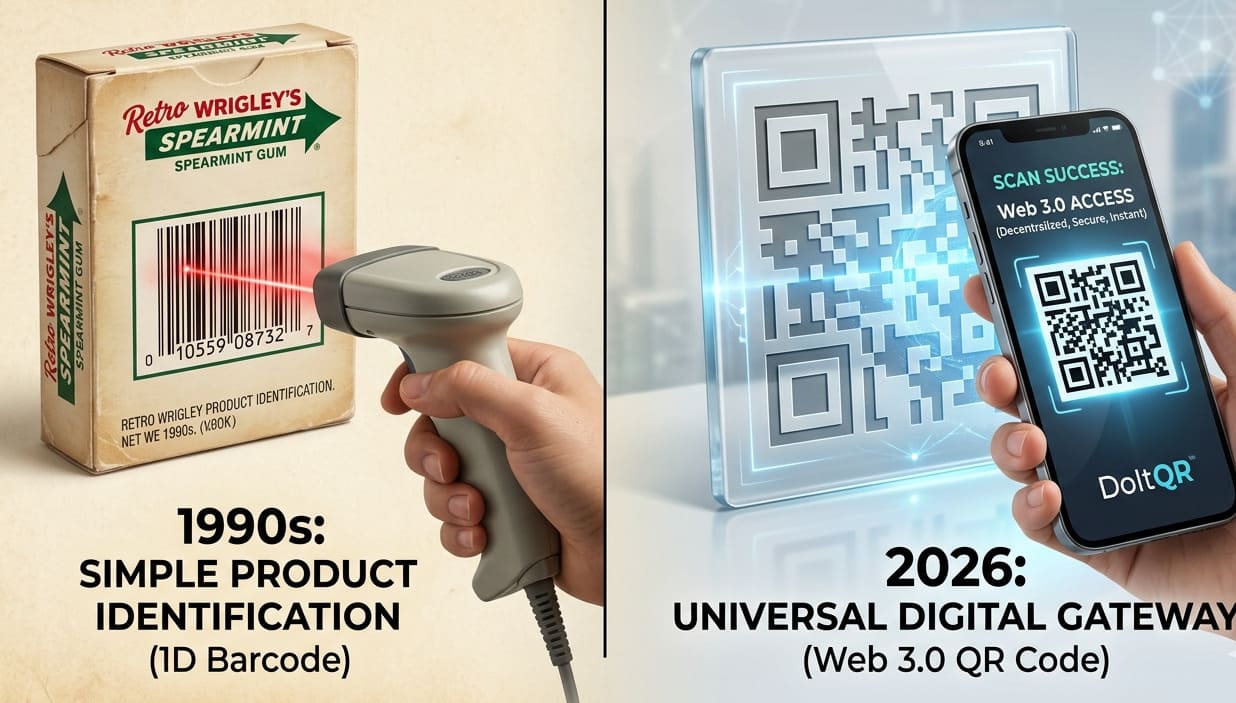
1. The Rise of "Zero Friction"
In the era of immediacy, no one wants to type a complex URL on a smartphone. The QR code eliminates the barrier between the physical and digital worlds. Whether accessing an augmented menu at a cafe or configuring an IoT device in seconds, the usage has become standardized. For a site like doitqr.com, generation simplicity is now a productivity standard.
2. Security and Authenticity: The 2026 Challenge
With the rise of deepfakes and phishing, verifying the origin of a link is crucial. Modern QR codes now integrate more robust security protocols.
3. QR Codes for Digital Ecology
Reducing carbon footprint is a priority. Replacing thousands of paper brochures with a single dynamic code not only saves money but also allows for real-time information updates without reprinting. This is the ultimate asset for sustainable marketing.
Comparison: Static vs Dynamic QR Codes
| Feature | Static QR Code | Dynamic QR Code |
|---|---|---|
| Modify link | Impossible after printing | Changeable at any time |
| Scan tracking | Not available | Detailed analytics |
| Ideal for... | Fixed business cards | Marketing campaigns, Menus |
4. Integration in Local SEO
For local businesses, the QR code is a powerful SEO lever. By directing customers straight to your Google review page or business profile, you boost your local authority in a fluid and organic way.